
Early Origins and Medieval Significance
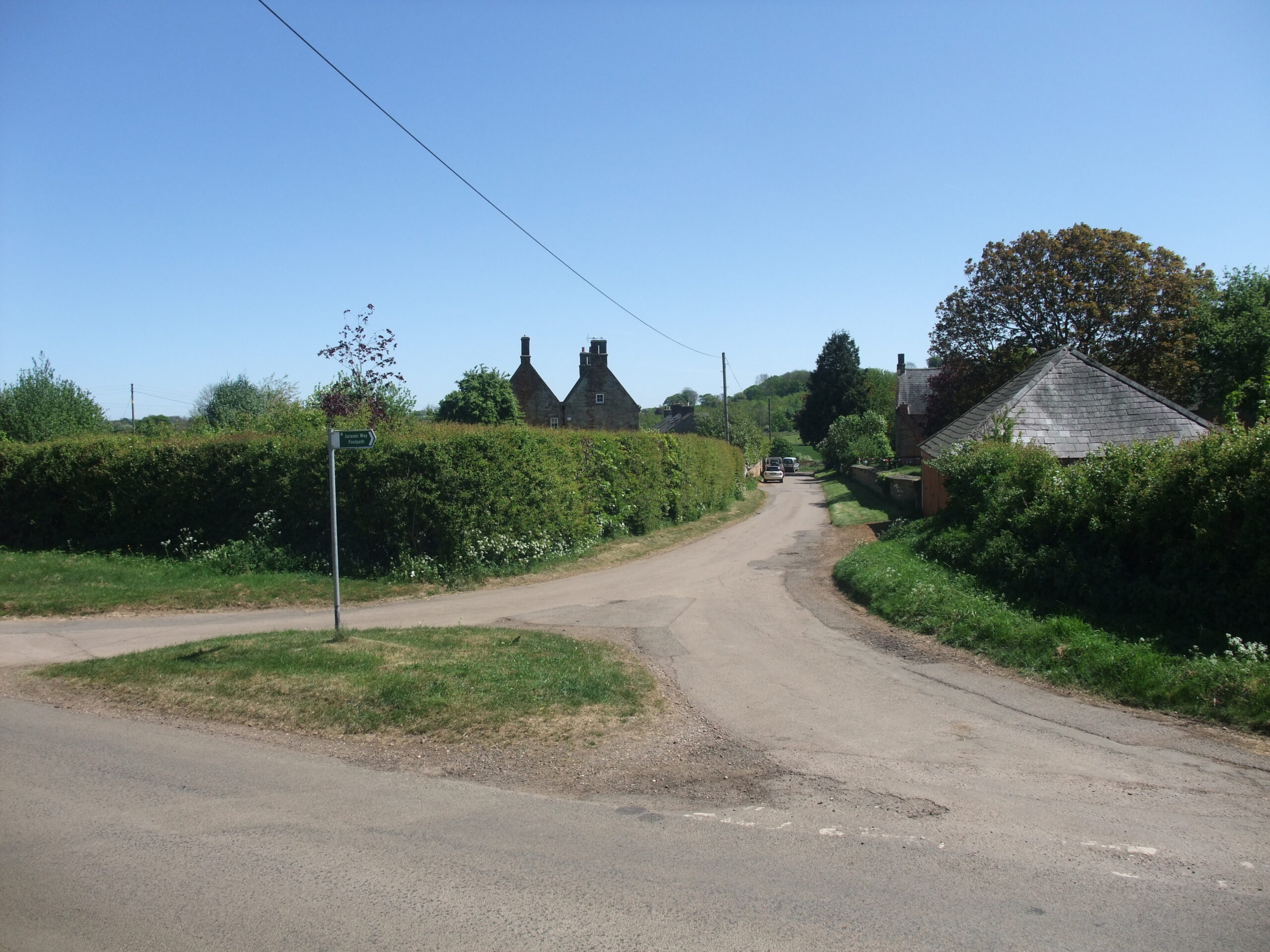
West Farndon, now a tranquil hamlet within the civil parish of Woodford cum Membris, boasts a rich tapestry of history.
Archaeological findings reveal that the area was once a thriving settlement
Roman Era
Sherds of second and third century Roman pottery have been discovered west of the present hamlet, indicating the presence of a Roman settlement in the area.
Domesday Book
In 1086, the Domesday Book recorded two small manors at West Farndon, highlighting its significance during the Norman period.
12th Century Developments
By 1202, the settlement was referred to as "West Farndon" to distinguish it from other areas. Records from this period mention William of Farndon acknowledging the church at Woodford's rights to eight acres of land at West Farndon.
14th Century Abandonment
Portions of the village, especially to the east, were abandoned, possibly in the 14th century. These areas are now known only through archaeological excavations.
Enclosure Movement
The Eydon Inclosure Act of 1760 ended the open field system of farming in West Farndon. By 1840, much of the former village was deserted. However, the ridge and furrow patterns of the common fields remain visible, offering a glimpse into its agricultural past.
Present-Day West Farndon
Today, West Farndon is characterized by its serene landscapes and historical remnants.
Jurassic Way
The long-distance footpath, Jurassic Way, passes through West Farndon, attracting walkers and history enthusiasts alike.
Archaeological Interest
The earthworks east and south of the present hamlet showcase the extent of the former village, making it a site of archaeological significance.
If you would like to add to this peice or submit your own then please do so following the link below
Make a SubmissionThis peice was put together with information found on Wikipedia and the Woodford Halse Archive.
Image by Tim Heaton is licensed under CC BY-SA 2.0. Source: Wikimedia Commons
